Regional Challenges in the Education of Vulnerable Populations
Perspectives from Uruguay, Argentina, and Brazil
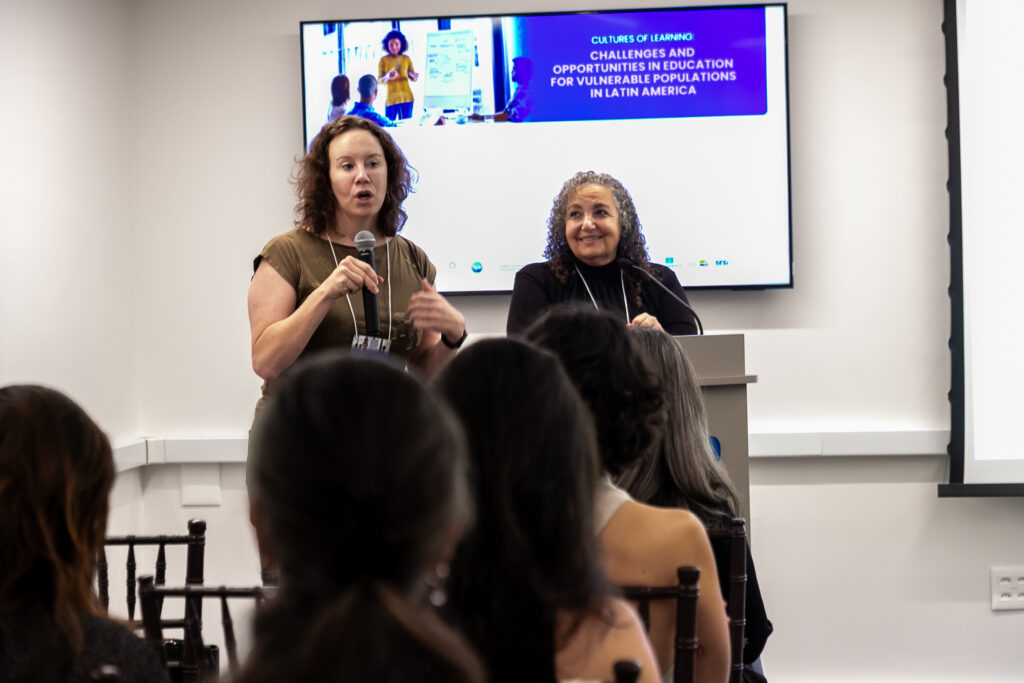
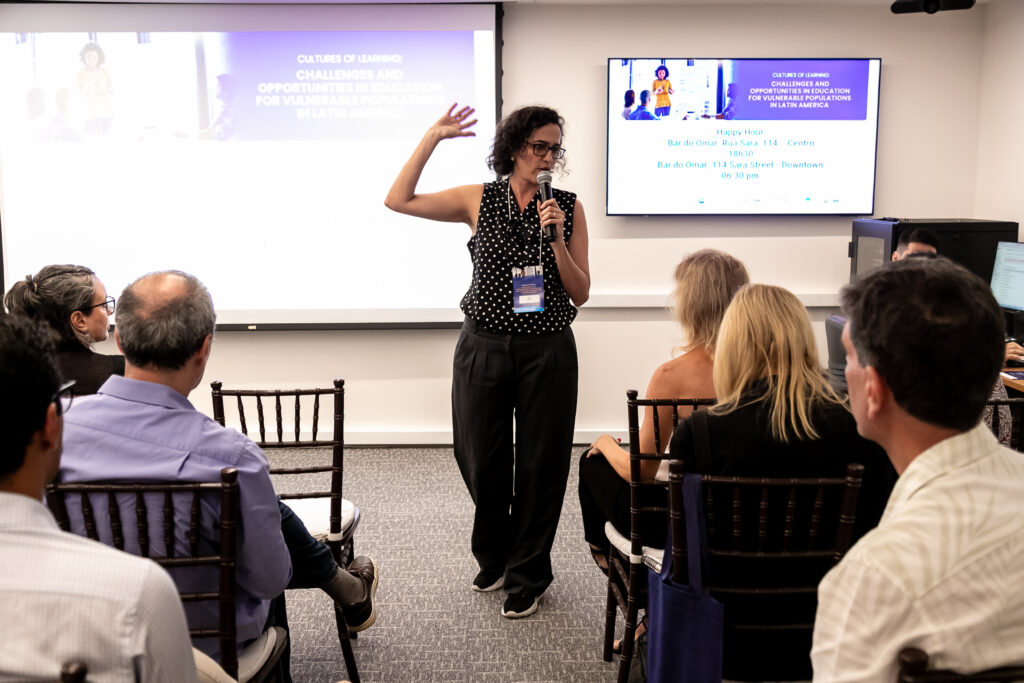
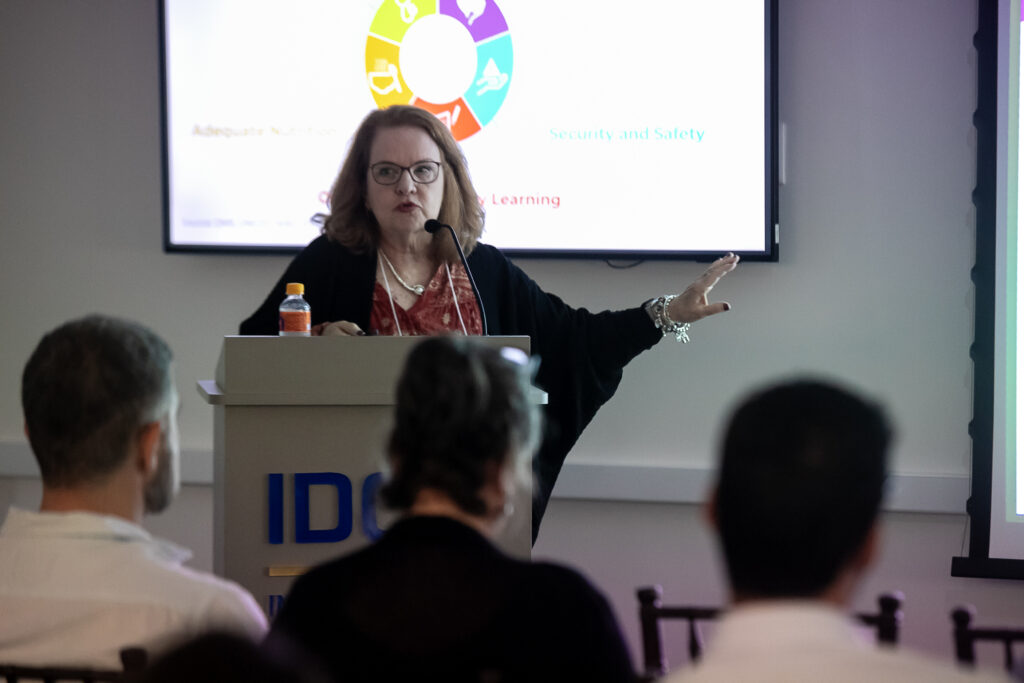
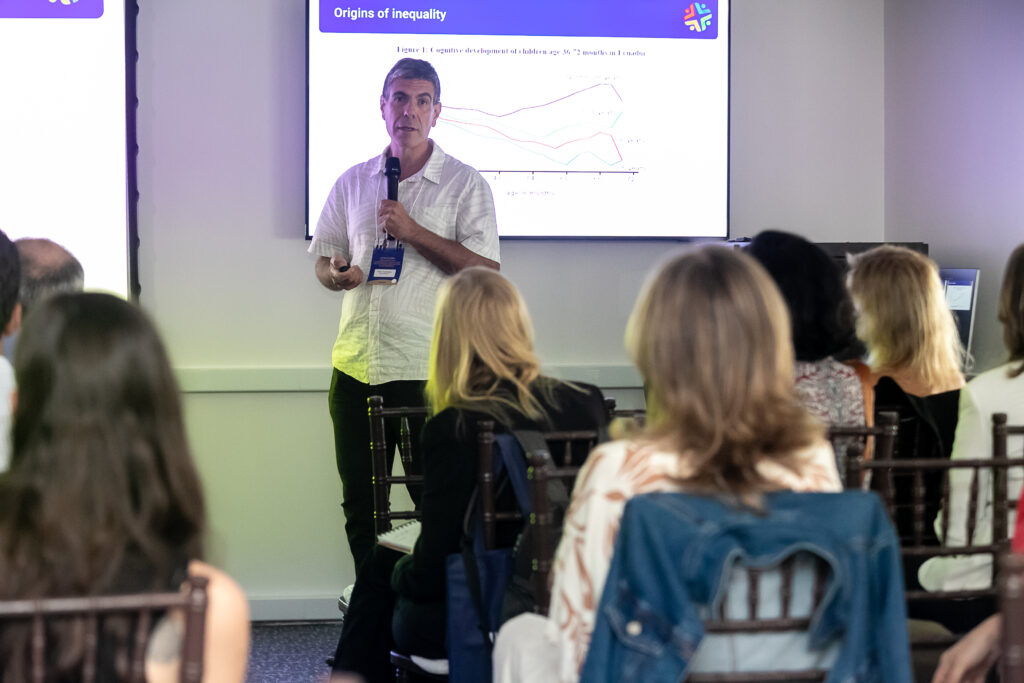
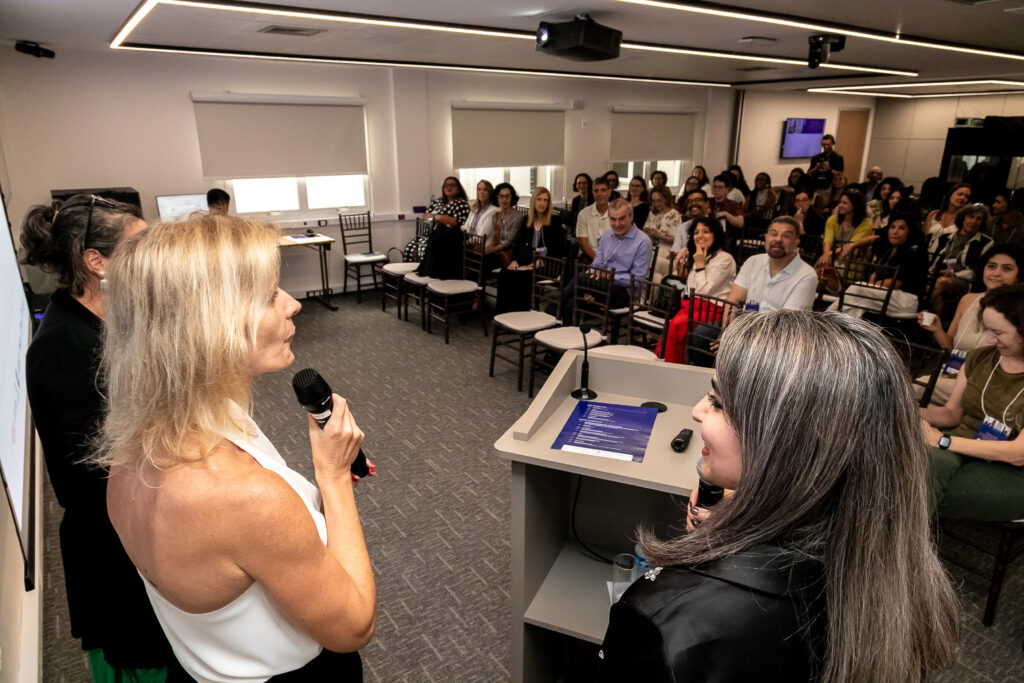
After a brief interactive activity among attendees, the second session focused on the challenges and opportunities in educating children and adolescents in vulnerable contexts across Latin America. Alejandra Carboni Roman, from the University of the Republic (Uruguay), presented concerning data from her country, where more than 20% of children are born below the poverty line, and demonstrated how socioeconomic inequalities influence neuropsychological development. Her research indicates that academic performance, impulse control, working memory, and even gray matter density (a brain area rich in neurons) are directly associated with socioeconomic context, underscoring the potential for effective interventions to reduce inequities and increase opportunities.
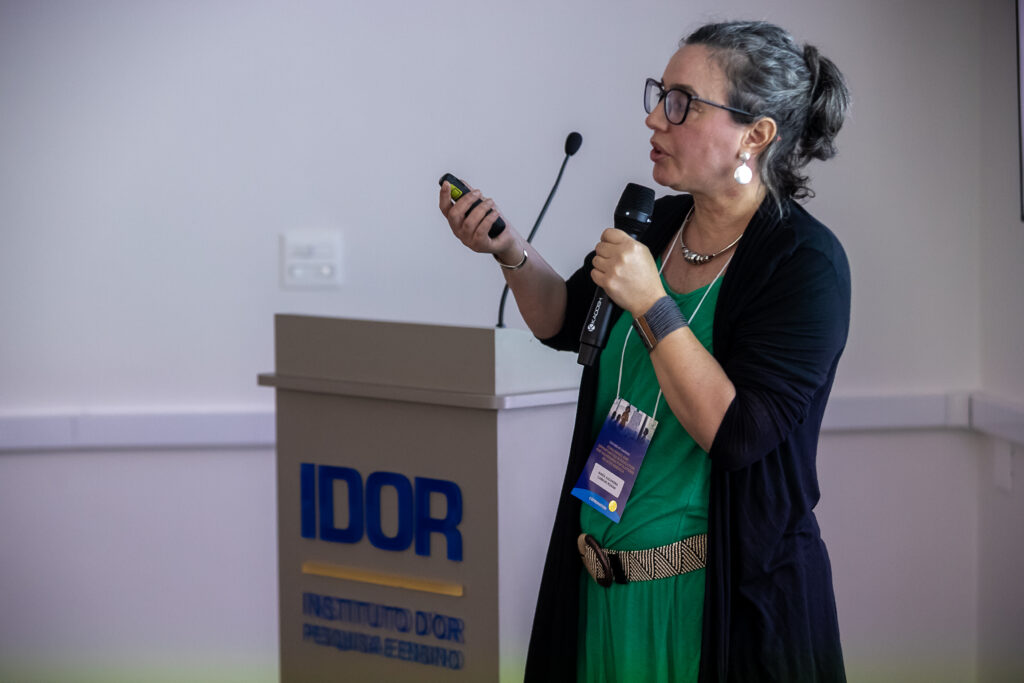
Next, Julia Hermida, from the National University of Hurlingham (Argentina), presented evidence on the relationship between socioemotional skills and academic performance. According to her studies, 90% of children with low socioemotional ability cannot even read a simple text, showing reduced vocabulary and poorer executive function. Hermida emphasized that schools cannot act in isolation and that multi-level interventions—within families and communities—are essential, especially in Latin American countries, where young people experience higher levels of inequality, chronic stress, and social segregation compared to countries in the Global North.
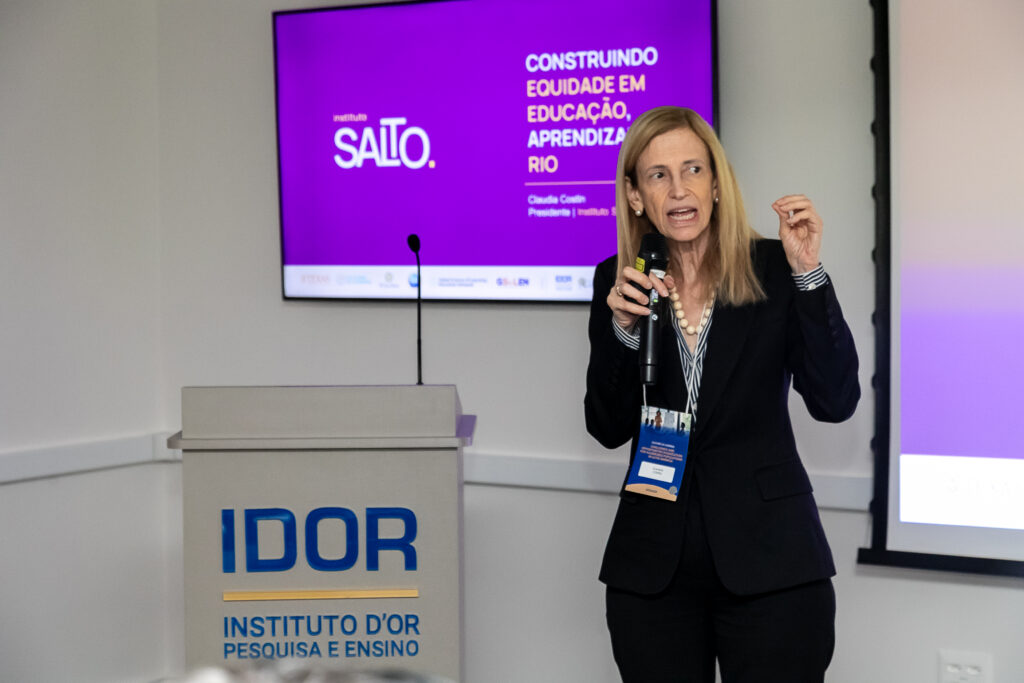
From the Brazilian perspective, Claudia Costin, former Global Director of Education at the World Bank, presented results from the Escolas do Amanhã (Schools of Tomorrow) project, developed during her tenure as Secretary of Education in Rio de Janeiro (2009–2014). The initiative targeted 155 public schools located in areas dominated by militias and drug trafficking, which had the worst indicators of academic performance and dropout rates. The program implemented full-time schooling, salary incentives for teachers, and extracurricular activities led by talented members of the local community. As a result, academic performance improved by 33%, and dropout rates were cut in half, particularly in the ninth grade—the age group most vulnerable to recruitment by armed groups.
Closing the session, Maria Rebeca Otero Gomes, from UNESCO Brasília, presented data from the global report on inclusion and education. Notably, she highlighted that women and girls represent two-thirds of the 750 million illiterate people worldwide. The report also pointed to rising bullying and cyberbullying against minorities and emphasized the need to adapt education to cultural specificities, such as UNESCO’s work translating and contextualizing educational materials for Indigenous languages.
Early Childhood, Development, and Educational Assessment
Evidence on impacts and effective interventions
The final lecture session of the day focused on early childhood and approaches to assessing child development. Maria Beatriz Martins Linhares, from the University of São Paulo (USP), discussed how early education can mitigate the effects of chronic stress, emphasizing the central role of parenting. She presented results from interventions carried out in low-income schools, where educators trained to work directly with families contributed to significant improvements in violence prevention and parental psychoeducation.
Also from USP, Daniel Domingues dos Santos presented studies showing the positive and lasting impacts of high-quality preschool education, in contrast with the mixed results commonly observed in nursery settings. He stressed the importance of implementing robust methods for evaluating early childhood education to ensure interventions remain effective and consistent over time.
The session concluded with Soledad Grille, from the National Institute for Children and Adolescents (INAU) in Uruguay, who presented the work of community centers known as Club de Niños. These socio-educational spaces offer daily support that complements school and family life through socialization activities, educational assistance, and extended care. Grille also discussed INAU-led workshops focused on teaching emotional self-regulation to parents and caregivers living in adverse environments.
Collaborative mapping and preparation for designing interventions
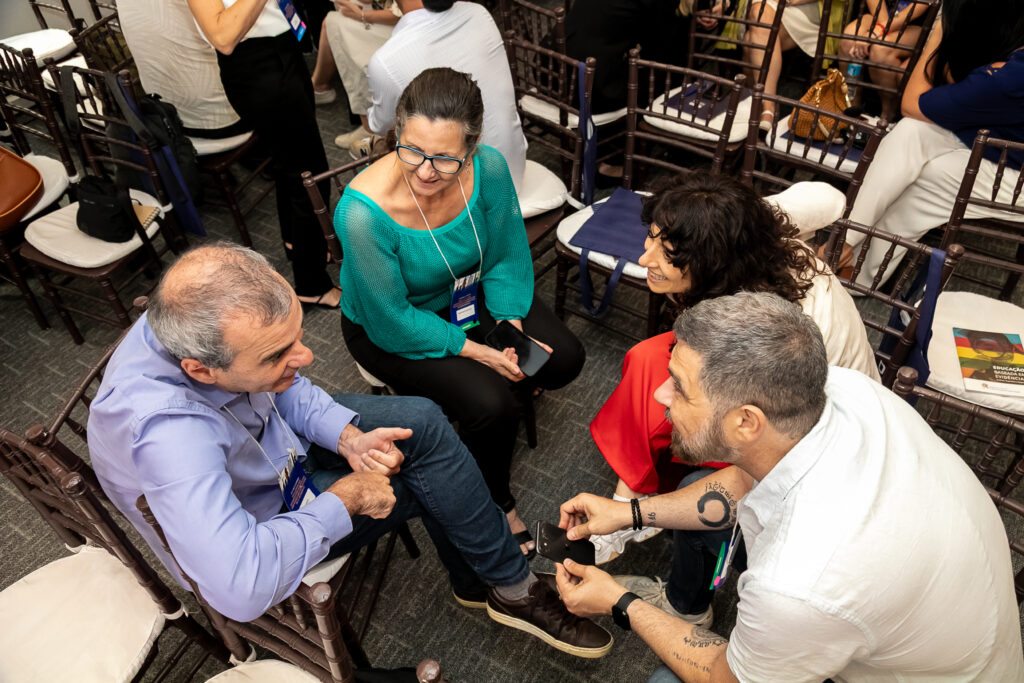
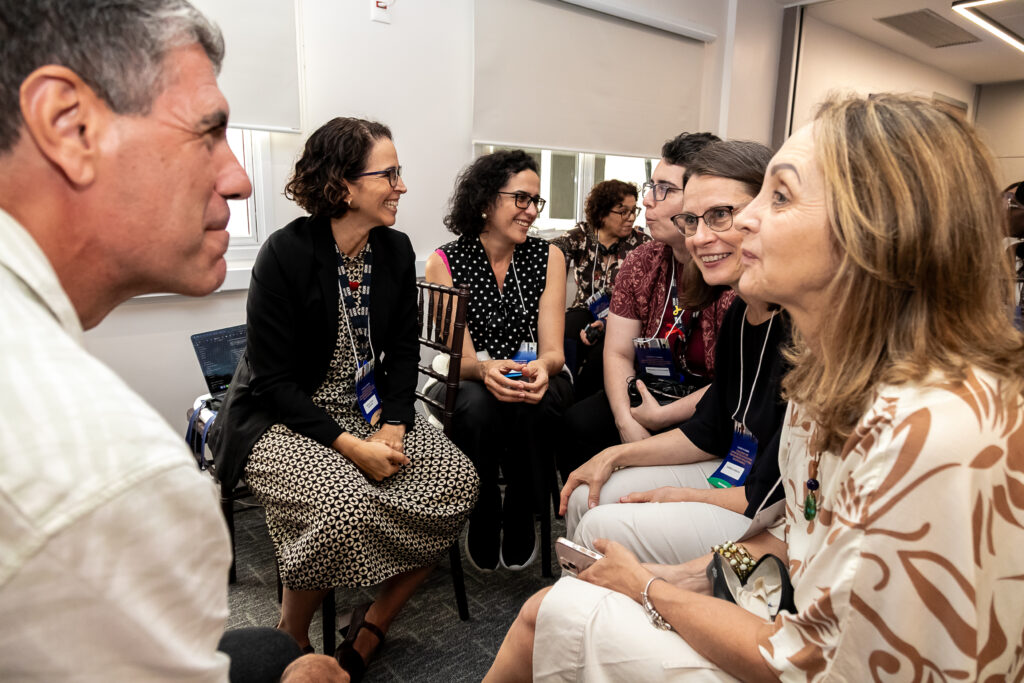
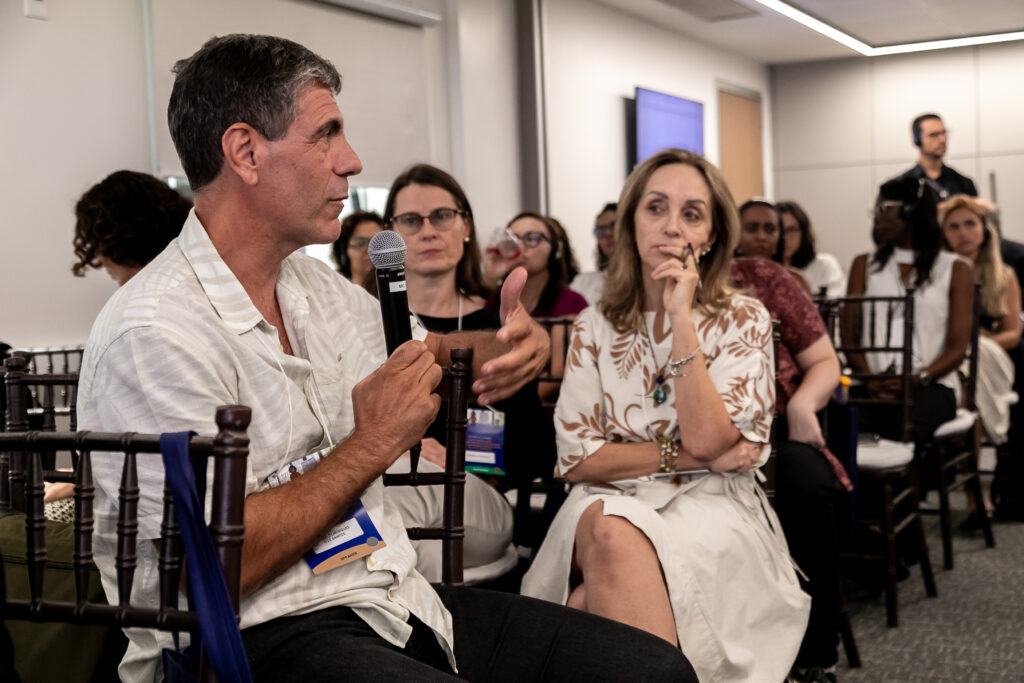
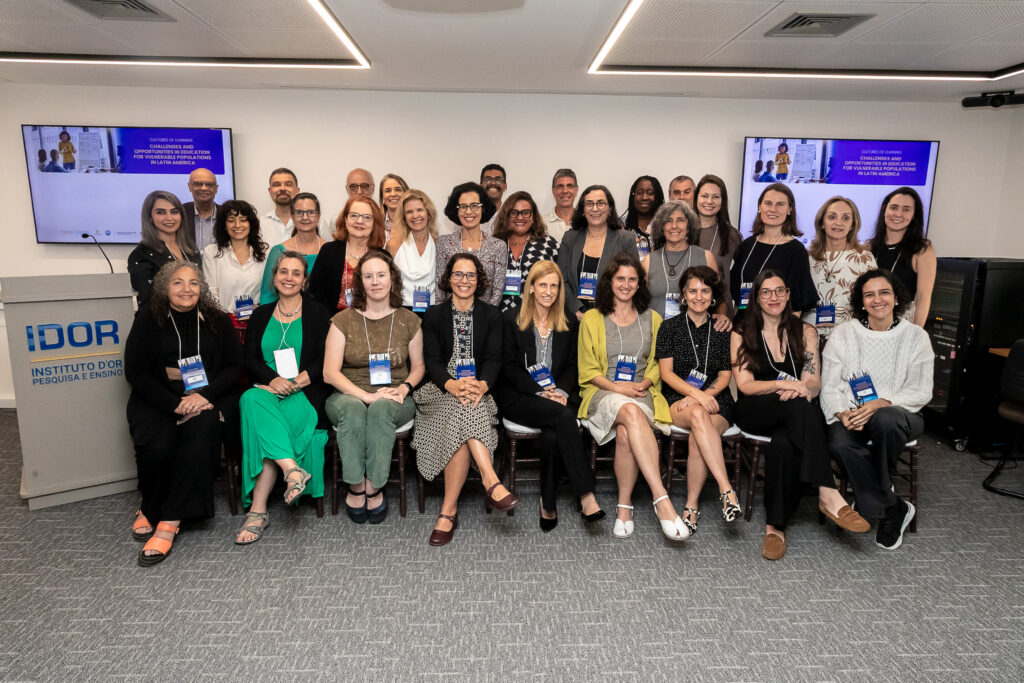
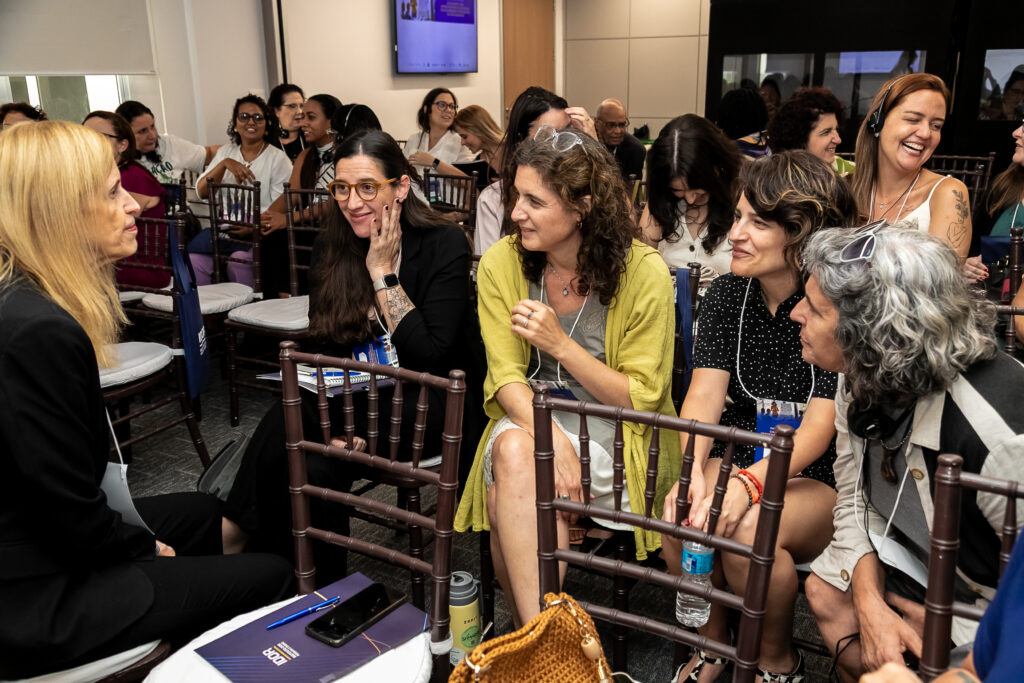
Following the presentations, participants and speakers were invited to take part in a collaborative mapping activity exploring the systems that influence education in contexts of chronic stress. Together, they created a collective map identifying factors that affect educational outcomes—from family and community to institutions and public policies—and discussed the key actors involved in these processes. The group reflection also addressed modifiable aspects of the challenges, essential elements for driving change, similarities and differences between Brazil and Uruguay, and expectations for developing interventions on the second day.
Stay Tuned for Continued Coverage
The first day of the conference highlighted the complexity of educational challenges in Latin America, while also pointing to viable pathways for collaborative, evidence-based action. To learn how these discussions were transformed into concrete proposals on the second day of the event, we invite you to read the full summary of the conference’s continuation.
Check out the complete summary of the second day of the event!